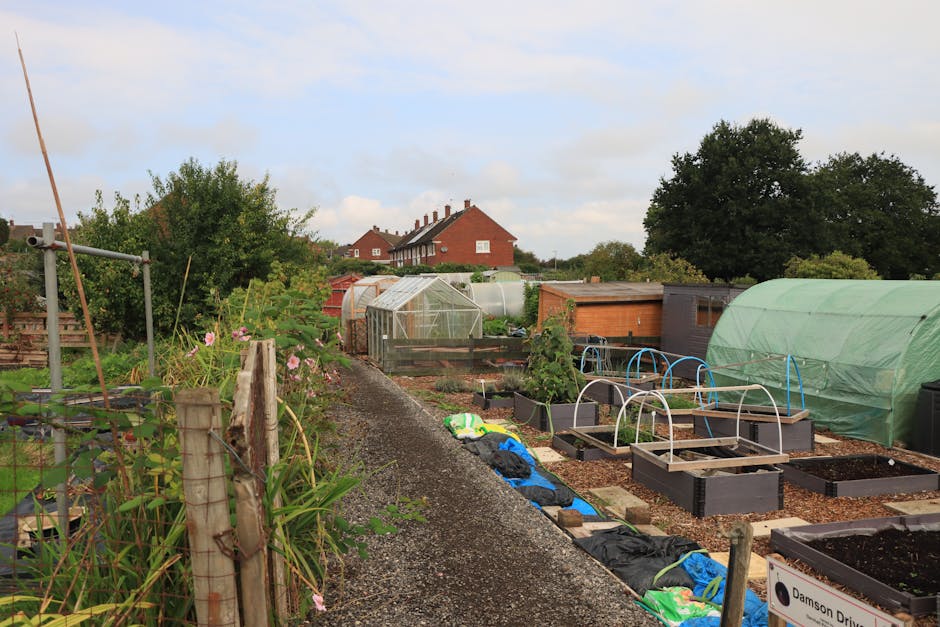
Gardening access problems in Walthamstow flats and solutions
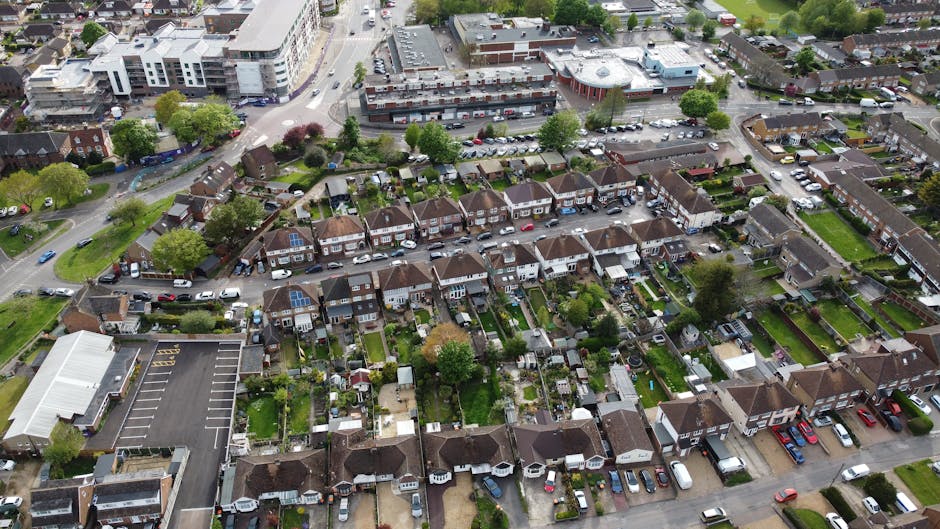
Gardening access problems in Walthamstow flats and solutions is one of those topics that sounds narrow until you are standing there with a heavy compost bag, a folding barrow, and a staircase that seems to have been designed by someone who never once carried a plant pot. If you live in a flat, especially in a busy part of Walthamstow, the garden itself may be small, shared, elevated, or awkwardly placed. The real challenge is often not the gardening work. It is getting people, tools, and materials to the right spot without damage, delays, or neighbour complaints.
This guide breaks down what makes access tricky, why it matters, and which solutions actually work in real buildings. You will also find practical steps, common mistakes, and a simple checklist so you can decide whether to tackle the job yourself or bring in help. If you are weighing up a one-off tidy-up or a longer maintenance plan, the right approach can save time, reduce risk, and make the whole thing much less of a faff.
Why Gardening access problems in Walthamstow flats and solutions Matters
Access issues affect far more than convenience. In a flat, a small obstruction can turn routine garden care into a drawn-out job. A narrow communal hallway, a locked gate, a steep external stair, a shared courtyard, or limited parking all change how garden maintenance is planned. Even something simple like moving hedge trimmings out to a collection point can become awkward when bins, bikes, prams, and neighbours are all in the way.
That matters because neglected outdoor areas tend to snowball. A small backlog of leaves, weeds, or overgrown edges can quickly become a larger clearance job. And once access gets difficult, people delay the work even more. Truth be told, that is how tiny problems start looking like full-scale restoration jobs.
For Walthamstow flats in particular, there is also the everyday reality of dense housing, shared access routes, and limited storage. Tools need to be carried in and out. Waste has to be handled neatly. Work often has to be timed around residents. So the issue is not just "can it be done?" but "how can it be done cleanly, safely, and without upsetting the building?"
When access is planned properly, the benefits are immediate: less disruption, faster work, better finish quality, and fewer awkward conversations at the front door. If you want a broader picture of the work these access plans support, the services overview is a useful starting point.
Expert summary: Most flat-garden access issues are solvable with better planning, lighter equipment, clear resident communication, and the right maintenance method for the building layout.
How Gardening access problems in Walthamstow flats and solutions Works
The practical approach is usually simple in principle, though not always in execution. First, you identify the access route. That means looking at how people and materials move from street to garden: entrance hall, side passage, lift, stairwell, balcony, rear gate, or service yard. Then you assess where friction happens. Is the problem width, weight, height, security, timing, or storage?
Once the bottleneck is clear, the solution becomes more specific. A narrow stair may call for smaller bags, lighter tools, and more trips rather than bulk loading. A balcony garden may need compact hand tools and a plan for safe lifting of soil or containers. A shared courtyard may need quieter methods and tidy waste handling so residents are not stepping over clippings at 8.30 in the morning.
In many cases, the best answer is not a single trick but a combination of adjustments:
- breaking tasks into smaller stages
- using compact, easy-to-carry equipment
- choosing low-mess materials and manageable bag sizes
- booking work at sensible times
- protecting common areas before work begins
- planning waste removal before the first cut is made
It sounds obvious, but in the real world these things are often skipped. Then the job starts, someone realises the compost bags will not fit through the side passage, and everyone is suddenly improvising. Not ideal.
If your flat garden needs more than basic upkeep, combining access planning with broader garden maintenance can keep the area in good order without repeated disruption. For more involved work, landscape gardening or landscaping may be the better fit because the design can be adjusted around access from the outset.
Key Benefits and Practical Advantages
When access is handled properly, the benefits go beyond convenience. You notice them in the quality of the garden, the ease of future visits, and even the mood of the building. A tidy access plan reduces stress for everyone involved.
- Less damage risk: Narrow hallways and communal entrances are protected from muddy boots, scratched walls, and scuffed floors.
- Faster work: Time is not lost wrestling with bags, bins, or awkward routes.
- Cleaner finishes: Compact methods allow for more precise pruning, mowing, and clearance.
- Better neighbour relations: Quiet timing and tidy pathways help avoid complaints.
- Lower waste stress: Green waste can be removed in a planned way instead of piling up in shared spaces.
- More usable outdoor space: Once access is sorted, the garden is easier to enjoy and easier to maintain long term.
There is also a practical commercial benefit if you are comparing providers. A team that understands access planning is usually better prepared for flat-based work. They will ask different questions, think about collection points, and plan around the building, not just the plants. That usually shows up in the result.
For jobs that include overgrowth at height or awkward boundary lines, services such as hedge trimming and tree lopping and removal can be especially useful where access is limited and growth is spilling into communal or neighbouring areas.
Who This Is For and When It Makes Sense
This topic is relevant for anyone responsible for a garden attached to a flat, but the details vary depending on the building type. Some people are managing a small courtyard at ground level. Others are dealing with roof terraces, balconies, shared rear gardens, or basement-level outdoor spaces with difficult routes in and out.
It tends to make most sense when you are in one of these situations:
- you live in a flat and need regular garden care
- you are a landlord or managing agent with responsibility for communal outdoor areas
- you have a tenant or resident who can maintain the space, but access is awkward
- you need a one-off clearance after months of neglect
- you are planning a redesign and want the new layout to work with the building's access limits
Some jobs are small enough to manage with household tools and a bit of patience. Others need a proper plan. If you are dealing with a build-up of waste, an overgrown patch, or a garden that has become difficult to reach safely, a dedicated garden clearance visit can be the cleanest way to reset the space.
And to be fair, not every issue needs a full service. Sometimes it is just a matter of making the route easier, cutting work into shorter sessions, and keeping equipment modest. Simple, but effective.
Step-by-Step Guidance
If you are dealing with access problems in a Walthamstow flat garden, a step-by-step approach keeps things tidy and avoids last-minute surprises. Here is the practical sequence that works best in real life.
- Map the route. Start at the street and walk the full path to the garden or balcony. Note width, steps, locks, door swings, and any shared areas.
- Identify pinch points. Look for the places where bulky tools, waste bags, or plant pots will be awkward. A corner with no turning space is often the real culprit.
- Choose the right method. If space is tight, use smaller loads, lighter tools, and more frequent trips rather than trying to move everything at once.
- Protect common areas. Put down coverings where appropriate and keep entry points clean from the start. This is especially important in older blocks where walls and flooring mark easily.
- Schedule at sensible times. A quiet mid-morning slot can work better than a rushed afternoon job when residents are coming and going.
- Manage waste early. Green waste and soil are the most awkward things to move, so plan the disposal route before cutting begins.
- Review the result. Once the work is done, look for any access improvements you can keep in place: storage tweaks, wider passage, better container placement, or a more compact planting plan.
A small example: a flat with a rear garden accessible only through a narrow side alley may not suit large shrubs or heavy raised beds. But it may suit low-maintenance planters, slimline storage, and a more open layout. That is the kind of adjustment that saves time every month after, not just on the day of the job.
If you are in the planning stage, it can help to review pricing and quotes so you understand what affects the cost: access time, waste handling, scope of work, and how many visits are likely to be needed.
Expert Tips for Better Results
Here are the little things that make a big difference. They are not glamorous, but they matter.
- Use smaller bags for waste: Heavy sacks are a nightmare on stairs and can be unsafe to carry. Smaller loads are slower, yes, but far easier to manage.
- Keep tools compact: Folding tools, lightweight trimmers, and short-handled hand tools often work better in flats than full-sized kit.
- Think in layers: Do the garden in stages: access prep, clearance, main work, final tidy. It keeps things less chaotic.
- Leave the route cleaner than you found it: This sounds basic, but residents notice. A swept landing goes a long way.
- Match planting to access: If a pot is too heavy to move, it may be too heavy to keep. Choose containers and materials you can realistically maintain.
- Consider long-term maintenance, not just the first visit: A design that is easy to reach will remain cheaper and calmer over time.
There is also a human side to it. If someone has to move through the same hallways every day, they do not want a gardening job that feels like a building site. A neat finish matters. So does timing. So does being courteous. You know it when you see it.
For more structured upkeep, pairing access-aware gardening with lawn mowing can help keep small grassy areas manageable without letting them become overgrown between visits.
Common Mistakes to Avoid
Most access problems get worse because of a few avoidable errors. The good news? They are easy to spot once you know what to look for.
- Assuming the route will "be fine": It often is not. Measure first, guess later.
- Bringing oversized equipment: Full-size tools can create more delays than they save.
- Leaving waste until the end: If you wait too long, it becomes the hardest part of the job.
- Ignoring neighbours and residents: Noise, odour, and blocked access all matter in a shared building.
- Overloading bags and containers: That is when accidents happen. It is also when patience disappears fast.
- Forgetting storage: If tools cannot be stored near the garden, every future visit becomes harder than it needs to be.
One mistake we see a lot is overdesigning the garden without thinking about how it will be maintained. A beautiful layout is not much use if you need a crane to get the compost in. Slight exaggeration, maybe, but you get the idea.
For access-heavy situations, especially where the garden has become cluttered or difficult to reach, a combination of cleanup and maintenance can be more effective than trying to patch over the issues. The job needs to work on a wet Tuesday in February, not just on a sunny afternoon in June.
Tools, Resources and Recommendations
You do not need specialist machinery for every flat garden. In fact, a smaller and smarter toolkit is often the better choice. The goal is to reduce friction, not add more of it.
| Need | Best practical approach | Why it helps in flats |
|---|---|---|
| Light pruning | Hand pruners and compact loppers | Easy to carry through stairwells and safer in tight spaces |
| Lawn care | Small, manageable mower or targeted mowing service | Reduces storage issues and avoids oversized equipment |
| Green waste removal | Smaller bags, staged collection, planned exit route | Prevents blocked hallways and overloading |
| Overgrown boundaries | Selective hedge trimming or tree work | Lets you address access conflicts without unnecessary disturbance |
| Redesigning a difficult garden | Compact layout, durable surfaces, limited heavy features | Makes future maintenance easier and less disruptive |
If you are planning a more permanent improvement, think carefully before adding heavy planters, bulky timber features, or dense planting that blocks movement. Sometimes the smartest upgrade is restraint. A neat, reachable garden usually gives you more value than one that looks ambitious but is awkward to live with.
For surfaces, seating, or raised areas that need to be practical as well as attractive, decking services can be helpful when designed with access and maintenance in mind. And if you want an environmentally thoughtful approach to waste and materials, recycling and sustainability is worth considering from the start.
Law, Compliance, Standards and Best Practice
When work is being done in flats, especially shared buildings, safety and communication matter as much as the gardening itself. You do not need to overcomplicate it, but you do need to be sensible. In the UK, good practice usually means keeping communal areas safe, avoiding unnecessary obstruction, and handling tools and waste responsibly.
That is especially important where there are residents, visitors, children, or older people moving through the building. A clear route, tidy storage, and sensible timing are not just courteous; they reduce the chance of trips, slips, and complaints. For more detail on approach and working standards, it is worth checking a provider's health and safety policy and insurance and safety information before work begins.
If the building has its own rules about access, waste storage, lift use, or working hours, those should be followed too. That may sound obvious, but in mixed-use or managed blocks it can save a lot of friction. Small thing, big difference.
Where access also involves site access rights, shared ownership, or landlord permission, keep communication clear and in writing where appropriate. This is not legal advice, of course, but it is a practical habit that prevents misunderstandings. If residents are informed, protected areas are covered, and work is carried out in a way that respects the building, everyone usually has a calmer day.
You may also want to review pages such as the accessibility statement, complaints procedure, payment and security, and terms and conditions to understand how service, support, and payment are handled.
Options, Methods, or Comparison Table
There is no single best solution for every flat. The right choice depends on the route into the garden, how often the space needs work, and how much disruption the building can tolerate.
| Method | Best for | Strengths | Trade-offs |
|---|---|---|---|
| DIY with compact tools | Small, regular jobs | Low cost, flexible timing, easy to start | Can be slow and physically awkward if access is tight |
| One-off professional clearance | Neglected or overgrown flat gardens | Fast reset, tidy waste handling, less stress | Less suited to ongoing upkeep unless followed by maintenance |
| Scheduled maintenance visits | Shared or regularly used outdoor spaces | Prevents build-up, keeps access issues small | Needs ongoing coordination |
| Redesign for access | Repeatedly awkward layouts | Solves the problem at root level | Usually higher upfront effort and planning |
If you are unsure which route suits your situation, start with the least disruptive option that still gives a proper result. For a lot of flat gardens, that means a clean initial reset followed by lighter, more regular upkeep. It is not fancy. It just works.
Case Study or Real-World Example
Imagine a small Walthamstow flat with a rear garden accessed through a shared passage and a side gate that barely opens fully because of a wheelie bin and a bike lock. The garden itself is not huge, but the access route makes everything feel three times harder. Over time, the lawn gets patchy, the hedge leans in, and bags of clippings start to pile up because nobody wants to drag them all the way back through the hallway in one go.
The fix is not dramatic. First, the access route is cleared and protected. Then the work is split into stages: edge cut back, hedge trimmed, lawn cut, waste bagged in smaller loads, final sweep of the shared path. After that, the resident switches to lighter maintenance every few weeks rather than waiting for a big seasonal clean-up.
What changed? Not just the appearance. The whole experience changed. The garden felt easier to use, the route felt less tense, and future visits became quicker. The odd thing is, once access is under control, the gardening itself feels almost relaxing. Almost.
That kind of result is common when the layout is respected instead of fought against. For some properties, especially those with heavier vegetation or blocked boundaries, a mix of hedge trimming, lawn mowing, and targeted garden clearance can make the outdoor space much more manageable.
Practical Checklist
Before you book work or start yourself, run through this list. It saves headaches later.
- Have you measured the tightest part of the access route?
- Do you know where tools and waste can be stored temporarily?
- Are shared areas protected from mud, scratches, and debris?
- Have neighbours or residents been told about timing where necessary?
- Are you using equipment that can actually fit through the route?
- Can green waste be removed in safe, manageable loads?
- Is the work planned around the building's quiet times and access rules?
- Would the garden benefit from a redesign that reduces future access issues?
- Do you need one-off clearance, ongoing maintenance, or both?
- Have you checked service information, safety details, and pricing before committing?
If you tick most of these off, you are already ahead of the curve. If not, that is fine too. Better to spot the problem before the first bag of cuttings is halfway down a stairwell.
Get a free quote today and see how much you can save.
Conclusion
Gardening access problems in Walthamstow flats and solutions are really about making the practical side of garden care work in a built-up environment. Once you look at the route, the storage, the waste, and the building rules, most problems become manageable. Not always easy, but manageable.
The best results usually come from small, sensible choices: compact tools, staged work, clear communication, and designs that suit the space rather than fighting it. If your flat garden has become awkward, that does not mean it is beyond help. More often, it just needs a better plan and a steadier approach.
And if you get the access right, everything else gets easier too. The garden feels more welcoming, maintenance stops feeling like a chore, and the whole place breathes a bit better. That is worth doing properly.
Frequently Asked Questions
What are the most common gardening access problems in Walthamstow flats?
The most common issues are narrow hallways, shared entrances, tight side passages, awkward stairs, limited lift access, and restricted storage for tools or waste. In many flats, the garden itself is fine; it is the journey to and from it that causes the trouble.
How do you garden in a flat with very little access space?
You usually work in smaller stages with compact tools, lighter waste bags, and careful timing. For some jobs, the best approach is to clear the space first, then maintain it regularly so the access route never gets overwhelmed.
Is it worth hiring help for a small flat garden?
Often, yes, if the access is difficult or the garden has become overgrown. A small space can still be time-consuming when every trip is awkward. A professional visit can save repeated lifting, mess, and stress.
What kind of garden work is hardest in flats?
Green waste removal, hedge trimming, and moving heavy materials like soil or pots are usually the hardest. Anything bulky, messy, or heavy tends to expose access problems very quickly.
Can balcony gardens have access problems too?
Absolutely. Balcony gardens may be easier to reach in one sense, but they can create problems with lifting heavy bags, carrying water, storing tools, and protecting indoor surfaces while moving items in and out.
How can I reduce noise when gardening in a shared building?
Use quieter hand tools where possible, avoid early starts, and keep cutting and clearing work organised so it does not drag on all day. A tidy, efficient visit is usually less disruptive than a long, drawn-out one.
What should I check before booking a gardening service for a flat?
Check whether the team understands access limitations, waste handling, safety, and building rules. It also helps to look at their service range, pricing information, and safety details so you know what to expect.
Does access planning affect the cost of garden work?
Yes, it can. Difficult access often means more time, more trips, or more careful handling, and that can affect the overall price. That is why it is useful to request clear quotes based on the real layout, not just the size of the garden.
What is the best long-term solution for a hard-to-reach flat garden?
The best long-term solution is usually a more accessible design plus regular maintenance. If you can simplify the layout, reduce heavy features, and keep growth under control, the garden becomes much easier to live with.
Are there safety concerns with flat-garden access work?
Yes. The main concerns are slips, trips, strain from lifting, blocked walkways, and accidental damage to communal areas. Good planning, sensible bag sizes, and clear routes reduce those risks significantly.
Should I choose clearance or maintenance first?
If the garden is overgrown or cluttered, clearance usually comes first. Once the space is under control, maintenance is far easier to keep on top of. If it is already in decent condition, regular maintenance may be enough on its own.
How do I keep future access problems from coming back?
Keep the layout simple, avoid oversized planters or features that block movement, and stick to a maintenance rhythm that matches the space. A little discipline here saves a lot of effort later, honestly.