Health and Safety Policy for Garden Maintenance Walthamstow
 Purpose: This Health and Safety Policy sets out how Garden Maintenance Walthamstow and associated teams deliver safe, professional garden care across the service area. It defines responsibilities, safe working practices and the approach to risk control for routine and specialised gardening work. The aim is to protect staff, clients, visitors and the public while maintaining high standards of landscape and garden maintenance.
Scope: The policy applies to all staff, subcontractors and temporary workers who perform gardening, groundskeeping, pruning, lawn care, hedge trimming, planting and hard landscaping maintenance. It also covers works carried out on domestic front and rear gardens, communal green spaces and small commercial grounds in and around the Walthamstow service area. Everyone must follow the policy to ensure consistent safety outcomes.
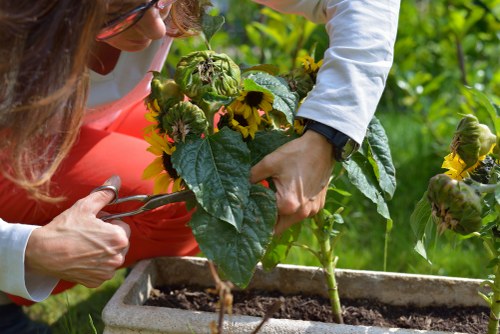 Risk assessment: Each job receives a documented risk assessment before work starts. Assessments identify hazards such as uneven ground, overhead cables, hazardous plants, tool and machinery risks, and traffic or pedestrian exposure. Controls include exclusion zones, signage, use of appropriate personal protective equipment (PPE), permit-to-work where needed and supervision. Regular review is mandatory when conditions change.
Responsibilities and Competence
Management retains overall responsibility for health and safety, ensuring that policies are up to date, resources are allocated and compliance is monitored. Supervisors must ensure staff are competent and that tool and machinery inspections are current. Employees are required to follow safe systems of work, report hazards promptly and participate in training. Training and certification: Staff undertake induction training, task-specific instruction and refresher courses for equipment such as chainsaws, ride-on mowers and pressure washers. Competence records are maintained and only authorised, trained personnel operate specialist machinery. Manual handling, pesticide awareness and first aid training form core elements of ongoing development.
Plant, equipment and PPE: Tools and machinery are subject to regular maintenance and pre-use checks. Faulty equipment is removed from service. The company enforces the use of appropriate PPE including gloves, eye protection, hearing protection, hi-vis clothing and protective footwear. Respiratory protection is used when handling dust or chemicals. Safe storage of equipment and tidy work areas reduce trip and injury risk.
Safe Working Practices
Work planning considers access, site conditions and proximity to the public. Traffic management measures protect operatives when working near roads. A clear exclusion zone is established for high-risk tasks, and where required, warning signs are displayed to alert neighbours and passersby. Seasonal hazards such as wet surfaces, frost or heat stress are factored into daily plans. Control of hazardous substances: Herbicides, pesticides and fuels are stored and used in accordance with manufacturers' instructions and COSHH principles. Only qualified staff apply chemicals; spill kits are carried and used if accidental release occurs. Chemical use is minimised by adopting mechanical and cultural control methods where practical.
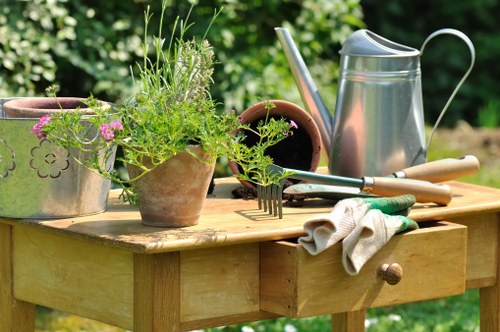 Incident reporting and first aid: All incidents, near misses and injuries are recorded and investigated to prevent recurrence. First aid kits are available on site and staff trained in first aid are present on larger jobs. In an emergency, operatives follow the company's emergency procedure which prioritises immediate safety, securing the scene and rapid access to medical help.
Contractor and client liaison: When working alongside other contractors or where client-provided access is necessary, clear communication ensures responsibilities are understood. The company confirms any client-provided risks and integrates them into the site risk assessment. This collaborative approach reduces duplication and improves overall safety.
Monitoring and review: Health and safety performance is monitored through routine site inspections, toolbox talks and periodic audits. Findings are used to update safe work procedures and training. The policy is reviewed at least annually or following significant incidents, changes in legislation or the introduction of new equipment.
Culture and continuous improvement: Garden maintenance teams are encouraged to suggest safer working methods and to report hazards without fear of reprisal. Building a strong safety culture supports efficient delivery of Walthamstow garden services, improves morale and reduces downtime caused by injury. The company is committed to continuous improvement in safety and environmental practices across all garden care activities.
Compliance and legal awareness: The policy emphasises adherence to relevant health and safety standards and codes of practice. While this document remains a practical working policy for the gardening workforce, it also signals a commitment to meeting statutory duties where applicable.
Summary: Garden Maintenance Walthamstow maintains a proactive approach to health and safety by combining trained personnel, risk-based planning, properly maintained equipment and a culture of reporting and improvement. The objective is to deliver reliable, safe, high-quality gardening and landscape maintenance across the service area.
Review date: This policy will be reviewed regularly to reflect operational changes, lessons learned and evolving best practice in garden maintenance and grounds care.