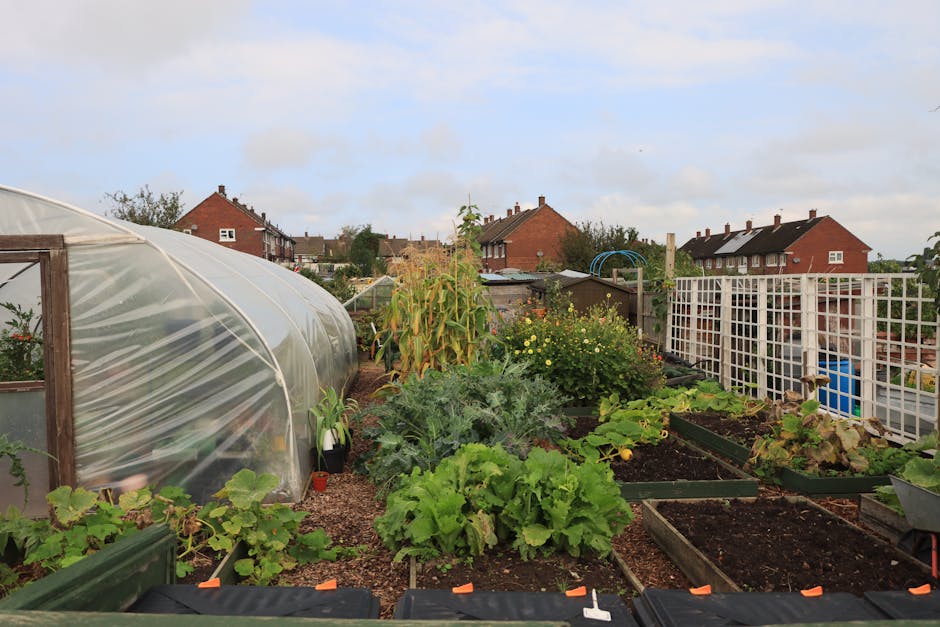
Hoe Street garden maintenance tips for Walthamstow homes
If you live near Hoe Street, you probably know the rhythm of a Walthamstow garden: a bit of shade, a bit of wind, not quite enough time, and plants that seem to grow faster after you've just finished tidying them. That's exactly why Hoe Street garden maintenance tips for Walthamstow homes need to be practical, local, and realistic. You do not need a perfect garden. You need one that stays healthy, looks cared for, and does not become a weekend burden.
This guide walks through the everyday maintenance habits that actually work in London gardens, from lawn care and hedge trimming to seasonal clearance, drainage checks, and safe upkeep around fences, decking, and trees. It's written for busy homeowners, landlords, and anyone who wants their outdoor space to feel easier to live with, not harder. A tidy garden is nice. A manageable one is better.
Table of Contents
- Why Hoe Street garden maintenance tips for Walthamstow homes matter
- How Hoe Street garden maintenance tips for Walthamstow homes works
- Key benefits and practical advantages
- Who this is for and when it makes sense
- Step-by-step guidance
- Expert tips for better results
- Common mistakes to avoid
- Tools, resources and recommendations
- Law, compliance, standards, or best practice
- Options, methods, and comparison table
- Case study or real-world example
- Practical checklist
- Conclusion
- Frequently asked questions
Why Hoe Street garden maintenance tips for Walthamstow homes matters
Hoe Street gardens, like many in Walthamstow, tend to be a mix of compact layouts, boundary planting, patios, side returns, and narrow access. That makes them charming, yes, but also a little unforgiving if maintenance slips. One missed month can mean overgrown edges, blocked drainage, weeds in the paving, and a lawn that starts looking tired rather than lived-in.
Good garden maintenance is not just about appearances. It affects how usable your outdoor space feels, how safe it is underfoot, how well plants cope through the seasons, and how much work piles up later. In a city environment, neglect can snowball quickly. The ivy creeps, the hedge leans, the lawn thins out, and suddenly the job feels bigger than it really is. Been there, many people have.
For Walthamstow homes, the real value lies in consistency. Little-and-often care keeps things under control. That means shorter sessions, lower stress, and fewer emergency clean-ups after a windy spell or a wet week. If your garden backs onto a path, faces the street, or includes shared boundaries, regular upkeep also helps the property feel cared for from every angle.
For broader support across routine outdoor care, many homeowners also review the main garden maintenance service and the wider services overview to understand which tasks are usually handled professionally and which can be managed at home.
How Hoe Street garden maintenance tips for Walthamstow homes works
At its simplest, garden maintenance is a cycle: observe, cut back, clear away, feed where needed, and reset the space before the next growth spurt. In practice, the trick is knowing what to do in which season, and how much to do without overhandling the garden. That last bit matters more than people think. Over-pruning, overwatering, or cutting grass too short can create more problems than it solves.
A good maintenance routine for a Walthamstow garden usually starts with a quick scan. Is anything blocking light? Is water pooling anywhere after rain? Are the hedges touching windows or paths? Is the lawn patchy, compacted, or full of moss? Those answers shape the next task. Sometimes the correct move is mowing. Sometimes it is hedge trimming. Sometimes it is simply removing debris before it starts rotting into the soil or blocking drainage.
In a typical small London garden, maintenance is less about grand redesign and more about control. You keep the lines tidy, the soil usable, the paths clear, and the planting healthy enough to do its own job. If the structure of the garden is already weak, you may need more than maintenance and should look at landscape gardening or broader landscaping support to put the basics right first.
A useful way to think about it: maintenance keeps a good garden healthy, while landscape work fixes a garden that has stopped functioning properly. Same outdoor space. Different job.
Key benefits and practical advantages
Regular maintenance gives you more than a neat finish. It protects the time, money, and effort already invested in your garden. That's the real story.
- Better kerb appeal: Even a modest front garden looks more welcoming with clean edges and controlled growth.
- Healthier plants: Removing dead material and keeping airflow around shrubs reduces the kind of damp, crowded conditions plants hate.
- Safer access: Clear paths and tidy boundaries reduce slips, trips, and awkward overgrowth near entrances.
- Less expensive catch-up work: Small jobs handled regularly are usually easier than one huge seasonal rescue.
- More usable space: A compact patio or lawn feels much bigger when it is uncluttered and well-defined.
- Lower stress: Frankly, there is something calming about a garden that does not nag at you every time you look out the window.
There is also a practical planning benefit. Once you know the garden's recurring needs, you can set a simple routine instead of guessing what needs doing each time. That saves weekends. And perhaps more importantly, it stops the garden from becoming a source of low-level guilt. Which is oddly common, isn't it?
Who this is for and when it makes sense
These Hoe Street garden maintenance tips for Walthamstow homes are useful if you own a terraced house with a narrow rear garden, a flat with a shared courtyard, a rental property that needs to stay presentable, or a family garden that sees hard use and constant foot traffic. The advice also helps if you are preparing a property for sale, dealing with an overgrown space after winter, or simply trying to get ahead of summer growth.
It makes sense to focus on maintenance when the structure of the garden is already broadly sound. The fence is standing. The lawn still exists. The hedges are manageable. The issue is upkeep, not a full rebuild. If, however, you're dealing with years of neglect, piles of waste, or invasive overgrowth, start with a proper clear-out. In those cases, garden clearance is often the smarter first step before any ongoing routine can work.
Landlords and property managers tend to benefit too, because even small gardens can affect how a home is perceived during viewings and inspections. And if you manage a home with mature shrubs or taller growth near boundaries, trimming and safety come into the picture quickly. If that sounds familiar, hedge trimming and, where necessary, tree lopping and removal are often part of the picture.
Step-by-step guidance
Here is a practical way to approach garden upkeep without making it feel like a second job.
- Start with a walk-through. Look for overgrowth, weeds, broken edges, blocked drains, and anything leaning into paths or windows. Don't rush this. A slow five-minute check often tells you more than a full hour of random tidying.
- Clear visible debris first. Remove leaves, twigs, old pots, and dead plant material before doing any cutting. Otherwise you end up working around clutter, which is annoying and inefficient.
- Deal with the lawn. If grass is long, mow in stages rather than chopping it all down at once. That helps avoid stress to the grass and leaves a cleaner result. For households that want a reliable finish, lawn mowing support can be a practical shortcut.
- Tidy the edges. A sharp line along borders, paths, and fences makes the whole garden look better immediately. It's a small thing. Funny how big it feels.
- Trim hedges and shrubs selectively. Focus on shape, safety, and light. Avoid heavy cuts in the wrong season unless you know the plant can handle it.
- Check hard landscaping. Sweep patios, inspect decking, and remove algae or slippery buildup where needed. Outdoor surfaces can change the feel of the space just as much as planting does.
- Watch for drainage trouble. Standing water, sinking soil, or muddy patches usually mean something is off. Leaves, compacted ground, or blocked channels are common culprits.
- Finish with disposal and recycling. Bag green waste properly and separate reusable materials where you can. It keeps the area usable and stops the same mess from drifting back across the garden next week.
If your garden includes decking, remember that it needs attention too. A clean, dry deck is not just nicer to look at; it is safer and lasts longer. The decking services page is useful if timber surfaces are starting to feel rough, slippery, or uneven.
Expert tips for better results
These are the small habits that make a maintenance routine work better over time.
- Cut less, more often. That applies to lawns, hedges, and even some shrubs. Regular light maintenance is easier on the plant and easier on you.
- Leave the garden drier before major work. Wet soil gets compacted quickly under foot traffic. If you can wait for a better day, do.
- Keep a simple seasonal rhythm. Spring for reset and growth control, summer for ongoing trimming and watering, autumn for leaf clearance, winter for structure checks and safety.
- Think in zones. Front garden, back garden, side return, patio, fence line. One zone per visit is often enough.
- Do the eyesore first. The bit you notice every day is usually the one that shapes how the whole garden feels.
- Protect young growth. New shoots and flowering plants can be damaged by overzealous tidy-ups. A careful hand saves disappointment later.
A small but valuable insight: most gardens do not need a dramatic intervention. They need a steady one. People often assume the answer is a big clean-up weekend, but the real magic is consistency. A little time, repeated sensibly, beats a heroic spring clear-out that leaves you exhausted by Sunday night.
For homeowners who prefer a professional eye, it can help to start with a conversation about current condition, seasonal pressure, and what kind of finish you want. If you are comparing options, pricing and quotes can help set expectations before work begins.
Common mistakes to avoid
Some garden problems are made worse by good intentions. That sounds a bit harsh, but it's true.
- Cutting grass too short: It can weaken the lawn, especially in dry spells or on tired soil.
- Ignoring the boundary line: A hedge or shrub that grows unchecked can quickly cause tension with neighbours and create access issues.
- Leaving leaf build-up all winter: Wet leaves can smother lawn areas, clog drains, and make paths slippery.
- Using the same approach all year: Gardens change with the seasons, so maintenance needs to change too.
- Over-pruning at the wrong time: Some plants cope well with a trim; others sulk for months. Not ideal.
- Skipping waste removal: A neat cut is only half the job if the clippings are left to sit and rot.
Another common issue is doing too much at once and not finishing properly. A half-done garden can look worse than an untidy one, because it feels paused in the middle of a job. If the outdoor space has become really cluttered, it may be more efficient to book a structured tidy-up with a provider that also understands disposal and recycling. That is where recycling and sustainability becomes part of the service rather than an afterthought.
Tools, resources and recommendations
You do not need a van full of equipment to maintain a small Walthamstow garden. In many homes, a modest set of tools is enough if used regularly and stored well.
| Task | Useful tool or approach | Why it helps |
|---|---|---|
| Lawn care | Reliable mower, edging tool, stiff brush | Keeps grass neat and the borders sharp |
| Hedge and shrub trimming | Hand shears or powered trimmer | Makes shaping easier and more controlled |
| Leaf and debris clearing | Rake, garden waste bags, wheelbarrow or tub | Saves time and prevents clutter building up |
| Patio and path upkeep | Broom, scraper, washing method suitable for the surface | Improves safety and appearance |
| Waste handling | Segregated bags, compost area if suitable | Supports cleaner disposal and greener habits |
If you want to keep things simple, choose tools that fit the size of your garden rather than buying heavy-duty equipment that only gets used twice a year. That's a classic trap. Also, store tools somewhere dry and easy to reach; otherwise they become a hassle and, well, "somewhere in the shed" is not a system.
For a cleaner process overall, the following pages can help you think through service choices and trust signals: insurance and safety, health and safety policy, and about us. Those details matter more than people sometimes realise, especially if access is tight or the garden includes awkward surfaces.
Law, compliance, standards, or best practice
Garden maintenance in the UK is mostly about common sense and neighbourly care, but there are still a few standards and responsibilities worth keeping in mind. You do not need to become a compliance expert. You just need to avoid preventable problems.
For example, if trees or large hedges are near boundaries, footpaths, or buildings, safety needs to come first. Work at height, unstable branches, and damaged timber are not jobs to rush. If cutting or removal feels uncertain, it is better to get help than to improvise on a ladder. A quiet garden job can turn awkward quickly when a branch has other plans.
Noise, access, waste handling, and neighbour impact are also part of good practice. Early-morning cutting, blocked shared paths, and loose debris blowing into adjacent gardens can create avoidable friction. In a built-up street like Hoe Street, considerate timing and tidy working habits make a real difference.
When professional help is used, reasonable expectations matter too: clear scope, safe working methods, transparent payment terms, and proper handling of waste. It is sensible to review the provider's terms and conditions and payment and security information before work begins, especially for larger or recurring jobs.
Finally, if you are disposing of green waste, treat recycling and sustainability as part of the process. Composting where appropriate, separating reusable material, and reducing unnecessary landfill all fit the modern expectation for responsible garden care.
Options, methods, and comparison table
There are usually three ways homeowners handle garden maintenance: doing it all themselves, mixing DIY with occasional professional support, or outsourcing the lot. Each approach can work, depending on time, garden size, and how demanding the space is.
| Approach | Best for | Pros | Trade-offs |
|---|---|---|---|
| DIY only | Small, simple gardens and confident homeowners | Low direct cost, full control, flexible timing | Time-consuming, easy to delay, harder for bigger jobs |
| Hybrid approach | Busy households with recurring tasks | Good balance of cost and convenience | Needs a bit of planning to stay consistent |
| Professional maintenance | Overgrown, high-use, or time-sensitive gardens | Reliable finish, less stress, faster turnaround | Higher cost than DIY, requires choosing the right provider |
For many Walthamstow homes, the hybrid route is the sweet spot. You keep on top of the little jobs, then bring in extra help for heavier cutting, waste removal, or seasonal resets. That way the garden does not spiral, and you do not spend every weekend wrestling with it.
Case study or real-world example
Here is a realistic example. A homeowner on a typical Hoe Street side street had a small rear garden that looked manageable from inside the house, but had quietly become a bit of a mess outside. The lawn was patchy and long, one hedge was leaning into the path, and the patio had a film of damp leaf matter that made it feel dull, almost forgotten.
The fix was not dramatic. First came a clear walk-through and debris removal. Then the hedge was reduced to a safer, cleaner shape, the lawn was cut in stages, and the patio was swept down properly. A few awkward corners were cleared, and the garden suddenly looked bigger. Not because anything magical had happened, just because the space could breathe again.
The interesting part was the follow-up. Once the homeowner had a simple monthly routine, the garden stayed under control with much less effort. That is the pattern worth copying. The job was not "make it perfect." The job was "make it stay fine." Small difference, big relief.
Practical checklist
Use this checklist for a quick seasonal reset or a routine maintenance visit.
- Walk the garden and note anything overgrown, broken, damp, or blocked.
- Remove leaves, twigs, weeds, and loose debris from paths and borders.
- Mow the lawn carefully and avoid cutting too much at once.
- Trim hedges and shrubs for shape, light, and safe access.
- Check fences, gates, edging, and decking for wear or movement.
- Look for standing water, slippery patches, or compacted soil.
- Clear clippings and waste from the garden promptly.
- Decide what can be composted, recycled, or removed entirely.
- Book extra help if the job is bigger than a tidy-up.
- Set the next maintenance date before the garden drifts again.
Expert summary: The best Hoe Street garden maintenance is steady, seasonal, and realistic. Keep growth controlled, surfaces safe, waste removed, and the work simple enough that you can repeat it. That is what makes a garden feel good to live with.
If you are comparing support options, it can help to review all available services and then match the work to the garden's current condition rather than guessing from the outside. That small bit of planning usually saves time later.
Get a free quote today and see how much you can save.
Conclusion
Hoe Street garden maintenance for Walthamstow homes is really about keeping outdoor life easy. Not perfect. Easy. A garden that is trimmed, swept, and managed with a bit of rhythm will always feel better than one that gets heroic treatment twice a year and then disappears from the mind until the next crisis.
If your garden is small, seasonal, or slightly demanding, the answer is usually not more effort. It is a better pattern. Clear the clutter, stay ahead of growth, protect the structure, and ask for help when the job gets too big for a single afternoon. That approach is calmer, cheaper in the long run, and a lot kinder to the space.
And honestly, there is a quiet pleasure in stepping outside and seeing everything just working as it should. No drama. No backlog. Just a garden that feels like part of home.
Frequently Asked Questions
How often should I maintain a Hoe Street garden in Walthamstow?
Most small London gardens benefit from light maintenance every one to two weeks in the growing season, then less often in winter. The exact rhythm depends on the amount of planting, lawn size, and how quickly weeds or hedges grow.
What is the first thing to do if my garden has been neglected?
Start by clearing debris and identifying the biggest problems: overgrowth, blocked access, or waste buildup. Once the space is visible again, it becomes much easier to decide whether you need mowing, hedge trimming, or a fuller garden clearance.
Is lawn mowing enough to keep a small garden tidy?
Not usually. A tidy lawn helps a lot, but edges, weeds, hedges, and hard surfaces also affect how the garden looks and functions. A complete routine is better than relying on one task alone.
When should hedges be trimmed?
That depends on the plant type and how established it is. Many hedges can be lightly maintained during the growing season, but heavy cutting should be timed carefully. If in doubt, use a cautious approach or ask for support through hedge trimming.
Do I need professional help for a Walthamstow back garden?
Not always. A lot of smaller gardens can be handled well with regular DIY care. Professional help makes more sense when the space is overgrown, time is tight, or the work involves disposal, awkward access, or taller growth.
How do I stop my garden from becoming overgrown again?
Use a repeatable schedule. Small jobs done regularly are far easier than long catch-up sessions. A monthly reset, plus quick checks during spring and summer, usually keeps things under control.
What should I do with garden waste?
Separate what can be composted, recycled, or removed. Keep bags tidy and avoid leaving piles to sit for too long, especially after wet weather. If there is a lot of material, a professional waste removal step can save time and hassle.
Are decking areas included in garden maintenance?
They often should be. Decking collects dirt, algae, and moisture, which can make it look tired and feel slippery. Regular cleaning and inspection are useful, and more involved repairs or upgrades may need dedicated decking services.
What if my garden has poor drainage?
Poor drainage needs attention sooner rather than later. Clearing leaves, reducing compaction, and keeping channels open are good first steps. If water keeps pooling, the issue may be structural and may need a broader landscaping solution.
How can I tell whether I need maintenance or landscaping?
If the garden is basically functional but untidy, maintenance is usually enough. If the layout is failing, surfaces are uneven, or the planting and boundaries no longer work well, then landscaping or redesign may be more appropriate. A quick assessment can save you paying for the wrong type of work.
What should I check before hiring a garden maintenance service?
Look at scope, safety, payment terms, waste handling, and whether the service seems suited to your type of garden. It is also sensible to review the company's trust and policy pages, such as insurance and safety and payment and security, before moving ahead.
Can garden maintenance improve property value or just appearance?
It certainly improves appearance, and that alone can matter during viewings or lettings. More broadly, a well-kept garden signals care, makes the outdoor space easier to use, and helps the property feel looked after. That tends to matter to people, even if they do not say it out loud.