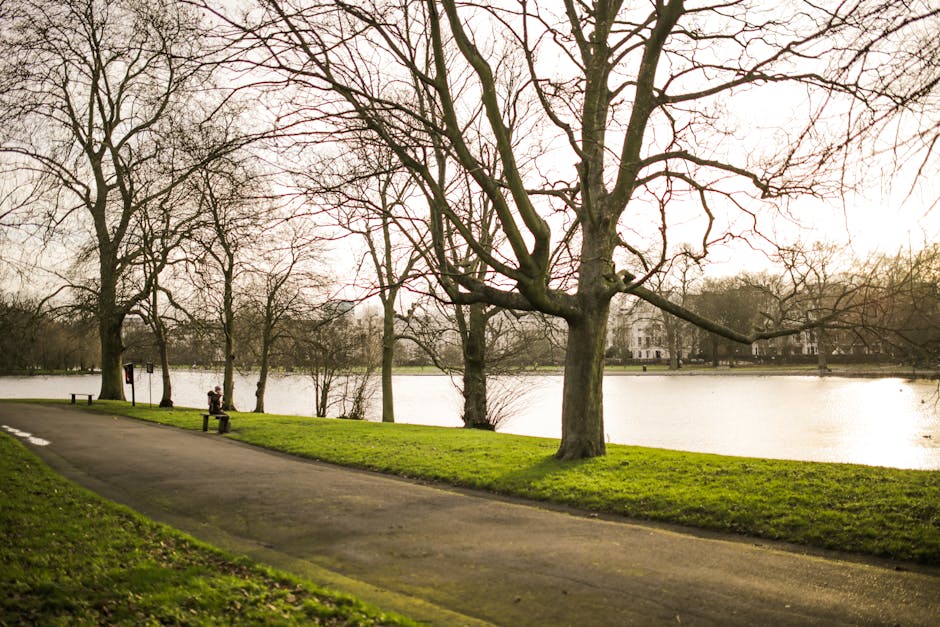
Lloyd Park garden clearance and gardeners in Walthamstow
If your garden near Lloyd Park has got away from you a little, you are in good company. One windy weekend, a few heavy showers, and suddenly the beds are full of cuttings, the lawn looks tired, and the whole space feels harder to enjoy than it should. That is where Lloyd Park garden clearance and gardeners in Walthamstow becomes genuinely useful: not just for getting things neat again, but for resetting the space so it works day to day.
This guide explains what garden clearance actually involves, how local gardeners work, what to expect from the process, and how to judge whether you need a one-off clearance or ongoing help. It is written for real gardens, not perfect ones. And let's face it, most gardens in London are a bit of both.
Contents
- Why Lloyd Park garden clearance and gardeners in Walthamstow Matters
- How Lloyd Park garden clearance and gardeners in Walthamstow Works
- Key Benefits and Practical Advantages
- Who This Is For and When It Makes Sense
- Step-by-Step Guidance
- Expert Tips for Better Results
- Common Mistakes to Avoid
- Tools, Resources and Recommendations
- Law, Compliance, Standards, or Best Practice
- Options, Methods, or Comparison Table
- Case Study or Real-World Example
- Practical Checklist
- Conclusion
- Frequently Asked Questions
Why Lloyd Park garden clearance and gardeners in Walthamstow Matters
Lloyd Park sits in one of those parts of east London where gardens often have to do a lot in a small space. They need to look good, feel private, cope with shade, and survive the odd burst of neglect when life gets busy. Garden clearance matters here because overgrown borders, mossy paths, and piled-up waste can quickly make a usable garden feel cramped and unsettled.
There is also a practical side. A cluttered garden can hide rotten timber, blocked drains, damaged fencing, and problem plants that spread quietly in the background. If you leave it too long, the job stops being a simple tidy-up and turns into a bigger restoration project. That is the point where experienced gardeners make a real difference.
For many homeowners and landlords, the aim is not a show garden. It is a garden that feels manageable again. You want to open the back door, look out, and think, yes, that is better. Not perfect. Better. The difference matters.
If you are trying to understand the wider service picture, the services overview is a useful starting point, especially if you are weighing clearance against maintenance or landscaping.
How Lloyd Park garden clearance and gardeners in Walthamstow Works
In simple terms, garden clearance is the process of removing waste, cutting back overgrowth, sorting the obvious problem areas, and leaving the site ready for use, maintenance, or further improvement. Gardeners usually begin with a quick assessment so they can see what is routine clearing and what needs a more careful approach.
A typical job might include bramble removal, dead plant cut-back, leaf collection, light shrub reduction, border clearing, lawn recovery, and green waste loading. In some gardens, it also includes dealing with broken plant supports, old pots, collapsed canes, or those mysterious corners where garden furniture seems to have gone to retire.
Good local gardeners do not just attack everything with a hedge trimmer and hope for the best. They think about plant health, access, waste volume, and the order of work. For example, if you clear the lawn first but then drag thorny cuttings across it, you have created another mess. Not ideal. A decent process avoids that sort of backtracking.
For ongoing upkeep after clearance, garden maintenance is usually the next sensible step. If structure or layout is also part of the problem, you may be looking at landscaping or even landscape gardening.
Key Benefits and Practical Advantages
The first benefit is obvious: a cleaner garden. But there is more going on than appearance. A well-cleared garden is safer to walk through, easier to maintain, and less likely to hide issues that can get expensive later. You also get your space back, which sounds simple, but is often the thing people value most.
- Better usability: paths, patios, and seating areas become accessible again.
- Healthier plants: clearing dead material can reduce competition and improve airflow.
- Reduced pressure: a manageable garden feels less like a weekend chore.
- Improved kerb appeal: useful if you are selling, letting, or just want the place to look cared for.
- Safer access: less trip risk, less hidden debris, fewer awkward corners.
There is a subtle benefit too: once the space is cleared, you can finally see what the garden actually needs. Sometimes the issue is not too little effort. It is too much clutter and not enough visibility. After clearance, decisions become simpler. Keep the shrub, reduce it, replace it, replant it, or remove it. That clarity saves time.
If you prefer a tidier, recurring service rather than one-off intervention, local teams often pair clearance with regular mowing through lawn mowing and seasonal cutting work such as hedge trimming.
Who This Is For and When It Makes Sense
This kind of service is not only for neglected gardens. It suits a lot of different situations, and that is worth saying. A small terrace garden with a stubborn patch of overgrowth can need just as much care, in its own way, as a larger rear garden that has been left for a season or two.
It tends to make sense for:
- homeowners preparing for a spring reset or post-holiday clear-up
- landlords getting a garden ready between tenancies
- busy families who want the space safe for children or pets
- older residents who want help with the heavier work
- new buyers discovering what was hidden under a previous owner's gardening style
- people planning a bigger redesign and needing a clean starting point
A common local scenario is this: someone has been meaning to sort the back garden "next weekend" for three months, and then one damp afternoon it becomes clear the job is bigger than expected. Happens all the time. In that moment, bringing in gardeners is not a luxury; it is the sensible route.
And if the garden includes tired timber, broken steps, or old decking that is no longer safe or useful, you may need more than clearance alone. That is where decking services can become relevant alongside the tidy-up.
Step-by-Step Guidance
If you are booking help for the first time, it helps to know what a good process looks like. The best jobs are not rushed. They are organised. That does not mean slow for the sake of it, just properly sequenced.
- Walk the garden first. Look at the worst areas, access points, and anything fragile that needs care.
- Separate clearance from pruning. Not everything should be removed. Some plants only need shaping or seasonal cut-back.
- Prioritise safety. Glass, sharp metal, unstable branches, and hidden waste should be handled early.
- Clear waste in stages. Removing material gradually keeps paths open and prevents recontamination.
- Check the soil and borders. Once the surface clutter is gone, you can spot compacted soil, weeds, and damage.
- Finish with a tidy and sweep-through. This is the part people notice most. The final 10 percent matters.
If a garden is badly overgrown, the first visit may be about making it safe and workable rather than completing every single detail. That is fine. In fact, that is usually the smarter approach. A lot of people expect an instant transformation, but real gardens often need two passes: clearance first, then refinement.
To keep the result from slipping back quickly, it helps to think about follow-up maintenance rather than treating the clearance as a one-off rescue mission. That is where well-planned care pays off.
Expert Tips for Better Results
Here is the honest version: the best results come from making the job easier before the gardeners arrive. A bit of preparation saves time, reduces waste, and often improves the finish. Nothing fancy. Just sensible stuff.
- Take a quick photo of problem areas before work starts so everyone is clear on priorities.
- Point out plants you want kept, especially if there are bulbs, herbs, or slow-growing shrubs hidden in the mess.
- Move personal items first if you can: toys, cushions, ornaments, and the garden tools you actually want to keep.
- Ask about waste handling upfront so you know whether green waste is being separated properly.
- Think seasonally: after a wet autumn, leaf and debris build-up can be heavier than expected, while spring often needs a mix of pruning and rebalancing.
One small but useful tip: do not ask for a heavy cut on everything unless the garden genuinely needs it. More cut does not always mean better. Some shrubs look brutal for weeks if they are taken back too far. In our experience, cautious work often ages better than a dramatic chop-and-hope approach.
If you want a service that keeps the whole outdoor area in shape over time, compare clearance with ongoing garden maintenance. The combination is often what keeps a garden from sliding back into chaos by mid-summer.
Common Mistakes to Avoid
A few simple mistakes crop up again and again. They are easy to make, and easy to avoid once you know what to look for.
- Clearing everything at once without a plan. That can damage useful plants or leave the garden looking stripped rather than improved.
- Ignoring access routes. If waste has to be carried through the house or across delicate paving, the job needs extra care.
- Forgetting hidden waste. Old edging, wire, and buried debris can slow things down and create disposal headaches.
- Assuming clearance equals landscaping. It does not. Clearing the space is only the beginning if the layout still does not work.
- Using the wrong service mix. A garden with high hedging, rough lawn, and scrubby borders may need several tasks, not one.
Another common issue is underestimating how much waste a garden produces. A pile that looks manageable from the patio can become a car-load situation very quickly. Funny how that happens. So it is worth discussing waste volumes in advance, especially if there is thick bramble, wet material, or heavy cuttings.
Where trees are contributing to shade, leaf fall, or overcrowding, it may be appropriate to consider tree lopping and removal as part of the wider plan, but only where that is genuinely justified and done carefully.
Tools, Resources and Recommendations
The exact tools depend on the job, but the core kit is fairly consistent: secateurs, loppers, shears, rakes, forks, wheelbarrows, waste bags, and cutting tools suited to the plant material involved. For larger clearances, the work may also involve powered equipment, though a good gardener will still use hand tools where that gives better control.
Recommended practical checks when you are choosing help:
- ask how waste will be removed and whether recycling is part of the process
- confirm whether the work is a one-off clearance or part of a larger maintenance plan
- check that access, timing, and any sensitive planting are discussed beforehand
- make sure the quote reflects the real size of the job, not just a quick glance from the gate
It is also worth looking at how a business talks about service standards. Pages like insurance and safety and health and safety policy are useful signals when you are trying to judge professionalism. Nobody gets excited about policies, admittedly, but they matter when tools, access, and waste are involved.
For price expectations, a dedicated pricing and quotes page is helpful because it can explain how jobs are assessed without pretending every garden is the same. That honesty is refreshing, actually.
Law, Compliance, Standards, or Best Practice
For garden clearance, compliance usually comes down to safe working, sensible waste handling, and not damaging plants, property, or neighbouring boundaries. In the UK, responsible gardening practice normally means knowing what needs caution, what needs consent, and what should be left to specialists where the situation is more complex.
A few best-practice principles are worth keeping in mind:
- Waste should be managed responsibly. Green waste is not just "rubbish"; it should be handled in a way that supports reuse or proper disposal where possible.
- Work should be safe and proportionate. Any climbing, heavy cutting, or use of powered tools needs proper judgment.
- Neighbour boundaries should be respected. Overhanging growth, shared fences, and access points can all affect the way work is carried out.
- Property risk should be assessed. Slippery paths, hidden objects, unstable branches, and damaged timber can all affect the job plan.
It is also sensible to choose businesses that take sustainability seriously. If recycling, composting, or sorting green waste matters to you, a page like recycling and sustainability can tell you how that side of the work is approached. That is not just a nice extra; for many people, it is part of what makes the service feel properly done.
Policies such as terms and conditions, privacy policy, and complaints procedure are also useful trust indicators. Not thrilling reading, granted, but useful all the same.
Options, Methods, or Comparison Table
When people say they need "garden clearance," they may actually mean one of several different things. Choosing the right option can save money and avoid disappointment.
| Option | Best for | What it usually includes | When it makes sense |
|---|---|---|---|
| One-off garden clearance | Overgrown or cluttered gardens | Removal of waste, cut-back, tidying, basic reset | After neglect, before guests, before a tenancy change |
| Regular garden maintenance | Gardens that need consistent care | Mowing, weeding, pruning, seasonal upkeep | When you want to prevent the mess from returning |
| Landscape gardening | Gardens that need improvement, not just clearing | Reworking beds, surfaces, layout, planting choices | When the space functions poorly even if it is tidy |
| Tree work and reduction | Large trees affecting light, safety, or access | Careful cutting back or removal where suitable | When height, shade, or structural issues are part of the problem |
To be fair, many gardens need a mixture of these. A front garden might need mowing and hedge work. A back garden might need clearance first, then ongoing maintenance. A rear corner may need reshaping entirely. The smart move is to match the method to the actual condition of the space, not just the fastest-sounding service label.
Case Study or Real-World Example
Here is a realistic example based on a common sort of Walthamstow garden. A homeowner near Lloyd Park had a small rear garden that had quietly become unusable over one wet season and one very busy winter. The lawn was patchy and flattened, the border had turned into a tangle of stems, and a pile of cuttings had been sitting in one corner for longer than anyone wanted to admit.
The first visit focused on clearance: cutting back overgrowth, removing debris, restoring access to the shed, and giving the whole space a proper sweep-through. Once the garden was visible again, it became clear that the lawn needed recovery and the hedge line needed shaping rather than drastic removal. The homeowner then switched to a lighter ongoing plan, with mowing, edging, and seasonal trimming.
The interesting part was not that the garden became beautiful overnight. It did not. But it became usable, safer, and less stressful to look at through the kitchen window on a grey Tuesday morning. That counts for a lot. A lot more than people sometimes think.
The lesson here is simple: clearance is often the turning point, not the end point. Once the clutter is gone, better decisions follow.
Practical Checklist
Use this quick checklist before booking or beginning garden clearance work:
- Identify the worst problem areas first
- Decide what must be kept, cut back, or removed
- Check whether access is straightforward for tools and waste
- Look for hidden hazards such as broken glass or unstable timber
- Ask whether the job needs one visit or follow-up maintenance
- Consider whether hedge, lawn, tree, or decking work should be included
- Confirm how green waste will be dealt with
- Review service information, including about us and contact us, so you know who you are dealing with
- Check trust signals like safety, insurance, and clear policies
- Plan the follow-up so the garden stays manageable
If you can tick most of those boxes, you are in a strong position to get a result that lasts rather than a short-lived tidy-up.
Get a free quote today and see how much you can save.
Conclusion
Lloyd Park garden clearance and gardeners in Walthamstow is really about getting your outdoor space back under control in a way that feels calm, sensible, and lasting. Sometimes the garden needs a clean slate. Sometimes it only needs skilled, careful attention. Either way, the right help turns a frustrating patch of overgrowth into something you can actually use again.
Think of it less as a cosmetic fix and more as a reset. Once the clutter is gone, the garden becomes easier to maintain, easier to enjoy, and much easier to improve over time. And that, truth be told, is what most people are really after.
There is something quietly satisfying about standing back after a proper clearance and hearing nothing but the breeze and the birds again. Small thing, maybe. But it changes how a place feels.
Frequently Asked Questions
What does garden clearance usually include?
It usually includes cutting back overgrowth, removing green waste, clearing debris, tidying borders, and making the garden safe and usable again. The exact scope depends on the condition of the space.
Is garden clearance the same as regular maintenance?
No. Clearance is usually a more intensive, one-off reset. Maintenance is the ongoing work that keeps a garden tidy afterwards, such as mowing, weeding, trimming, and seasonal care.
How do I know if I need gardeners or a clearance service?
If the garden is tidy enough but needs routine care, gardeners and maintenance are probably enough. If it is overgrown, cluttered, or hard to use, you likely need clearance first.
Can a small garden near Lloyd Park still need clearance?
Absolutely. Small gardens can become messy very quickly, especially if brambles, weeds, hedge growth, or old pots build up. A small space often benefits from careful, targeted work.
Should I ask for hedge trimming at the same time?
If the hedges are contributing to the overgrowth or blocking light, yes, that often makes sense. Combining related tasks can be more efficient than tackling them separately.
What happens to the waste after clearance?
That depends on the service, but good practice is to separate green waste where possible and handle it responsibly. If sustainability matters to you, ask how the waste is managed before the work begins.
How often should a cleared garden be maintained?
It depends on the pace of growth and the size of the garden. Some spaces need fortnightly or monthly attention in the growing season, while others can be maintained less often.
Do I need to be home while the work is done?
Not always, but it helps if the first visit includes a walkthrough. That way you can point out priorities, plants to keep, and any access details. After that, many jobs can be completed with minimal disruption.
What if the garden has tree problems as well?
If large branches, shade, or safety concerns are part of the issue, tree work may need to be included. In some cases, tree lopping and removal is the relevant service.
How do I compare different gardeners in Walthamstow?
Look at what services are offered, how clearly the work is explained, whether safety and insurance are addressed, and whether the quote feels specific to your garden rather than generic.
Can garden clearance help before selling or letting a property?
Yes. A tidy, manageable garden can improve first impressions and reduce the sense that a property needs immediate extra work. It is a simple change, but often a valuable one.
Where can I learn more about the company and its policies?
Useful starting points include services overview, about us, and the safety, sustainability, and pricing pages. They help you understand how the service is structured and what standards are being applied.