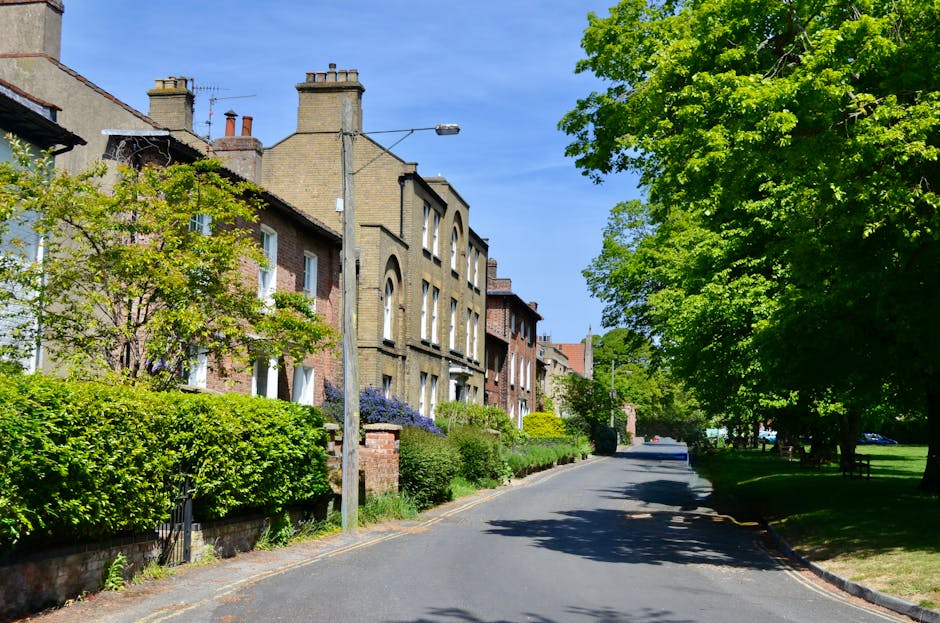
Walthamstow Village gardeners for period properties on E17: a practical guide for careful, sympathetic garden care
If you own a period home in Walthamstow Village, you probably already know the garden is never just "the bit at the back". It frames the house, shapes the first impression, and, if looked after well, makes the whole property feel calmer and more complete. That is exactly why choosing Walthamstow Village gardeners for period properties on E17 needs a little more thought than picking a general garden tidy-up service.
Old brick walls, mature shrubs, narrow front plots, quirky layouts, and the occasional stubborn patch of shade all ask for a measured approach. Not dramatic. Not overworked. Just sensible, tidy, and in keeping with the age of the property. In this guide, we'll walk through what that really means, how proper garden care works for heritage-style homes, where the common pitfalls are, and how to judge whether a gardener is the right fit for your place.
Truth be told, the best results often come from small decisions made consistently: pruning at the right time, keeping paths clear, avoiding heavy-handed design changes, and planning maintenance around the way the house actually lives. Sounds simple. It mostly is. The trick is doing it well.
Why Walthamstow Village gardeners for period properties on E17 matters
Period properties tend to have a stronger sense of character than newer homes, and the garden has to work with that character rather than against it. In Walthamstow Village, that often means respecting original features, keeping sightlines balanced, and avoiding the "new build showroom" look that can feel oddly out of place beside older architecture.
A good gardener understands that a mature front garden, a compact courtyard, or a long rear garden all have different needs. One house might need clipped hedging and regular lawn mowing; another may need selective clearance, gentler planting, and a better layout for light and movement. The point is not to make every garden look the same. It is to make each one look like it belongs.
There is also the practical side. Older homes often come with uneven paving, established roots, poorly drained corners, and overgrown planting that has quietly taken over. That is where skilled local maintenance matters. A rushed tidy can leave a period garden looking stripped bare or, worse, create longer-term issues by cutting back too hard. You can spot that sort of job from the street, and not in a good way.
Expert summary: The right approach to period-property garden care is measured, seasonal, and sympathetic. It should improve order and usability without erasing the garden's age, shape, or quiet charm.
If you are comparing wider service options, it can help to look through the site's services overview first, then decide whether you need routine upkeep, a one-off reset, or a more considered landscaping plan.
How Walthamstow Village gardeners for period properties on E17 works
In practice, this kind of service usually starts with a look at how the garden is built and how you use it. Is the front garden mainly ornamental? Is the rear garden a family space, or a private retreat that needs low-key maintenance? Are there old shrubs that should be shaped, replaced, or left alone? Those first questions matter more than people think.
A careful gardener will often break the work into layers:
- Structure: paths, edges, beds, hedges, and any existing hard landscaping.
- Plant health: what is thriving, what is struggling, and what is simply too crowded.
- Presentation: the visible tidiness that makes the property look cared for from the street.
- Maintenance rhythm: how often each task should be done to stop the garden slipping back.
For a period property, that rhythm is crucial. Some gardens need a monthly visit through the growing season, others do better with a lighter but more regular touch. A hedge that is left too long can dominate the facade; lawn growth, especially after a wet spell, can go from neat to shaggy in what feels like a weekend. You know how it is in London. One minute tidy, next minute jungle.
Local gardeners also tend to work more efficiently when they understand the quirks of older plots: limited access through side returns, narrow gates, mature trees casting shade, and soil that has been compacted over time. That knowledge saves time, reduces mess, and usually leads to a better finish.
For households that want everything kept under control without turning the garden into a big project, garden maintenance is often the most sensible starting point. If the issue is more about a wild, neglected space, then garden clearance may be the better first move.
Key Benefits and Practical Advantages
The obvious benefit is a better-looking garden. That is not shallow; it matters. A period home with a neat, balanced garden simply feels more cared for. But the real benefits go a bit deeper than appearance.
- Better kerb appeal: older homes often rely on their frontage to set the tone.
- More usable outdoor space: small adjustments can make a cramped or awkward plot feel calmer and easier to use.
- Protection for mature planting: established shrubs, climbers, and trees can be preserved rather than replaced unnecessarily.
- Reduced long-term repair issues: regular attention can stop roots, overgrowth, and blocked access from becoming bigger problems.
- Seasonal consistency: the garden stays in shape through spring growth spurts, summer dryness, and the autumn leaf drop.
There is also a quieter benefit. A well-kept garden changes the mood of the house. It softens the edge between indoors and outdoors. On a damp March morning, when the paving is dark and the air has that cold, clean smell, a tidy front border and clipped hedge can make the whole property feel strangely reassuring. Small thing, but you notice it.
For period homes, this is especially important because over-designed gardens can clash with the house. A restrained approach usually works better than anything flashy. Less noise. More balance.
If you need hedge shaping as part of that upkeep, the dedicated hedge trimming service is worth considering, while larger renovation work may sit under landscaping or landscape gardening depending on how much of the garden is being rethought.
Who This Is For and When It Makes Sense
This kind of service is a good fit if you live in, own, let, or manage a period property in Walthamstow Village and want the garden to feel thoughtful rather than generic. That includes terraces with small enclosed spaces, semi-detached homes with mature front beds, and larger houses where the garden has drifted a bit over time.
It also makes sense if:
- you want your garden to suit the age and style of the house;
- you have inherited an established garden and are not sure what to keep;
- the space has become overgrown, but you do not want a hard reset;
- you need regular maintenance without constant supervision;
- you are preparing a property for sale, rental, or renovation;
- you want a local team that understands the E17 streetscape and the feel of the area.
Sometimes the decision is emotional as much as practical. People may feel oddly protective of old planting, especially if it came with the house. Fair enough. A good gardener will respect that and help you decide what is worth keeping, what needs reshaping, and what has simply outgrown its place.
If you are considering a broader refresh, the site's about us page can help you understand the kind of team behind the work before you go any further.
Step-by-Step Guidance
Here is the cleanest way to approach garden care for a period property without making the process feel overwhelming.
- Walk the garden slowly. Look at it from the street, the kitchen window, and the back door. You will quickly see where the eye lands first.
- List the jobs by type. Separate mowing, hedge work, pruning, clearance, planting, and structural changes. Mixing everything together tends to create confusion.
- Decide what should be preserved. Mature shrubs, climbers, and boundary planting often add value and character, even when they look a little unruly.
- Deal with access first. If the garden is hard to reach or full of clutter, clear routes before anything else. That makes later work cleaner and safer.
- Choose the right cadence. Weekly, fortnightly, monthly, or seasonal visits all make sense in different situations. The trick is matching the schedule to growth.
- Start with restraint. When in doubt, cut less. You can always go back and tidy further; you cannot easily put growth back once it has gone.
- Review after the first visit. A good gardener should help you see what changed, what still needs attention, and what should wait for the next visit.
A realistic example: a front garden in a Victorian terrace may only need hedge shaping, edging, and a lawn cut to feel transformed. No drama. No redesign. Just better discipline and a clearer frame around the house.
If you need reliable cutting and ongoing care, it may help to combine lawn mowing with general upkeep rather than treating each task separately.
Expert Tips for Better Results
There are a few habits that make a big difference in period-property gardens, and they are easy to miss if you are only looking at the end result.
- Keep the shape honest. If the house is elegant and old, overly angular planting can feel out of place. Softer lines usually sit better.
- Work with the light. Older gardens often have shade from mature trees or neighbouring buildings. Put the right plants in the right spots, otherwise you are fighting the site every season.
- Use the edges well. Crisp lawn edges, tidy borders, and clean paving lines make even a modest garden look far more deliberate.
- Do not over-clear mature spaces. Some older gardens look best when they retain a little depth and layering. It is not supposed to look bare.
- Schedule maintenance before the garden gets away from you. Once growth has surged, every job takes longer and the garden can lose its structure quite quickly.
Here is a slightly unglamorous truth: most good garden work is invisible. You notice the calm, the order, the way everything just feels right. But the actual skill is in all the things you do not immediately notice. That is where the value sits.
If tree work is involved, especially where branches are shading the house or blocking light, it is worth using a professional service such as tree lopping and removal rather than letting pruning drift into guesswork.
Common Mistakes to Avoid
Most garden problems in older properties do not begin with one dramatic mistake. They build gradually. A bit too much pruning here, a bit too little maintenance there, and suddenly the space looks tired.
- Over-pruning shrubs and hedges. This is the classic one. The garden looks hacked back, then takes ages to recover.
- Removing character too quickly. In period settings, mature planting often adds more value than a total reset.
- Ignoring drainage and soil compaction. Wet patches and weak growth can point to underlying issues, not just lack of care.
- Choosing trendy layouts that do not suit the house. A garden should age with the property, not fight it.
- Trying to do everything in one go. Full overhauls can be expensive and often unnecessary. Start with the most visible and most urgent tasks.
A small aside: there is always at least one corner that looks harmless until you get behind it. Then the whole thing smells faintly of damp leaves and hidden twigs. Happens to everyone.
Another common miss is neglecting the front garden because the rear garden gets all the attention. In Walthamstow Village, the front matters. Quite a lot, actually. It is part of the house, not a separate afterthought.
Tools, Resources and Recommendations
For owners and managers of period properties, the best "resource" is often a clear maintenance plan and a gardener who can explain what they are doing in plain English. You do not need a thousand tools. You need the right ones used carefully.
Commonly useful tools and approaches include:
- sharp hedge trimmers for clean, even shaping;
- well-maintained lawn equipment for a neat finish without tearing the grass;
- hand pruners for smaller, selective cuts around mature planting;
- rakes and clear-up equipment for leaf fall and seasonal debris;
- good waste segregation so green waste can be managed responsibly;
- simple record-keeping for repeating tasks, especially if the garden has several zones.
For many homes, a mix of routine upkeep and occasional heavier work is the most sensible arrangement. If the garden has become cluttered with old growth, broken pots, or leftover materials, a one-off tidy through garden clearance can reset the space before maintenance begins.
If you are planning a wider outdoor improvement, it may also be worth exploring decking services or broader landscape gardening where the aim is not simply to tidy, but to improve how the whole garden works.
Law, Compliance, Standards, and Best Practice
Garden work in and around period properties is not normally complicated from a legal point of view, but there are still sensible standards to follow. This matters especially where work involves trees, access arrangements, waste handling, or any task with a higher risk of damage.
Good practice usually includes:
- checking access and site conditions before work starts;
- using appropriate equipment for the task;
- keeping walkways, entrances, and shared spaces clear;
- handling waste responsibly;
- taking care around walls, paving, and older structures;
- being cautious with trees, roots, and established boundary planting.
Where a job has safety implications, insurance and competence matter. That is not just box-ticking. A period property can be more vulnerable to accidental damage because old brick, aged mortar, and mature roots do not forgive rough treatment. If you are comparing providers, it is sensible to review their insurance and safety information alongside service scope and pricing.
You can also look at operational commitments such as health and safety policy, recycling and sustainability, and payment and security to get a clearer sense of how the work is managed. That sort of transparency usually says a lot.
For quotes and budgeting, the most honest approach is to ask for a site-specific estimate rather than guessing from photos alone. Every old garden seems to hide a surprise or two.
Options, Methods, and Comparison
If you are deciding how to manage a period garden, the best method depends on how much change you want and how much time you have to maintain it afterwards. Here is a straightforward comparison.
| Approach | Best for | Advantages | Possible downside |
|---|---|---|---|
| Routine maintenance | Gardens already in decent shape | Keeps everything tidy, predictable, and easier to manage | May not solve deeper layout or overgrowth problems |
| One-off clearance | Neglected or cluttered gardens | Fast reset and a clear starting point | Needs follow-up care to stop the space slipping again |
| Light landscaping | Awkward layouts or tired surfaces | Improves function without losing character | Requires planning and a bit more investment |
| Full redesign | Major changes, renovation, or property upgrades | Can transform the whole garden experience | Easy to overdo if the house itself is already strong in character |
In period properties, routine maintenance plus selective improvement is often the sweet spot. Full redesigns can work, of course, but they need a very steady hand. Otherwise the garden may end up looking like it belongs somewhere else entirely.
Case Study or Real-World Example
Here is a realistic example from the kind of property many people in the area will recognise.
A homeowner in Walthamstow Village had a modest rear garden behind an older terrace. The space had become patchy and crowded: a tired lawn, a hedge that leaned into the path, and a couple of mature shrubs that were still healthy but had lost their shape. Nothing was severely wrong. It just felt a bit lost.
The first visit focused on clearing the dead material, defining the edges, and reducing the hedge to a cleaner line. The lawn was cut back properly, not scalped, which made a bigger visual difference than the owner expected. The shrubs were thinned rather than removed, because they still gave the garden its sense of depth. A later visit added seasonal maintenance and a simple planting tweak to soften one bare corner.
The result was not flashy. That was the point. The garden started to feel like part of the house again. The back window looked onto something restful instead of chaotic. And the owner, to put it plainly, stopped dreading the weekend tidy-up.
That is often what good work in period gardens looks like: not a dramatic before-and-after reel, just a quieter, better living space.
Practical Checklist
Use this as a quick sense-check before booking work for a period property garden in E17.
- Have you identified what should be preserved, not just removed?
- Do you know whether the garden needs maintenance, clearance, or landscaping?
- Have you checked if hedges, trees, or mature shrubs need careful handling?
- Is access to the garden straightforward, or will equipment and waste removal need planning?
- Do you want the garden to look neat, sympathetic, or fully reworked?
- Have you thought about how often the garden will need follow-up visits?
- Are the provider's safety and insurance details clear?
- Does their approach suit a period home rather than a generic modern layout?
- Do you have photos or notes ready to explain the current condition?
- Have you set a realistic budget and priority order for the work?
Take your time with this. A couple of careful decisions now can save a lot of awkward patching later.
Get a free quote today and see how much you can save.
Conclusion
Walthamstow Village gardeners for period properties on E17 need to do more than mow, prune, and tidy. They need to understand proportion, character, access, and the quiet expectations that come with older homes. That is what makes the difference between a garden that merely looks neat and one that genuinely feels right.
If you take one thing from this guide, let it be this: the best period-property garden work is usually measured, seasonal, and respectful of what is already there. You do not have to remake everything. Often, the smarter move is to refine what matters, clear what is cluttering the view, and keep the whole thing on a steady maintenance rhythm.
And honestly, that steady rhythm is what keeps a house feeling loved. Not perfect. Just cared for. Which is usually enough.
Frequently Asked Questions
What makes gardeners for period properties different from standard gardeners?
They tend to work more carefully around mature planting, historic-style layouts, older materials, and the visual balance of the house. The goal is usually to preserve character while improving neatness and usability.
How often should a period property garden in Walthamstow Village be maintained?
It depends on the planting and the season, but many gardens benefit from regular visits through spring and summer, then lighter maintenance in autumn and winter. Fast-growing hedges and lawns may need more frequent attention.
Is a full garden redesign always the best option for older homes?
No. In many cases, a careful maintenance plan and a few targeted improvements work better. Full redesigns can be useful, but they are not automatically the right answer for a period property.
What should I ask before hiring a gardener for a period home?
Ask how they approach mature planting, whether they have experience with older gardens, how they handle clearance and waste, and what their maintenance schedule would look like after the first visit.
Can a gardener help if my garden has become overgrown?
Yes. A one-off clearance is often the best starting point when a garden has slipped away. After that, routine maintenance helps keep things under control.
Do I need landscaping or just garden maintenance?
If the structure is fine and the main issue is keeping on top of growth, maintenance may be enough. If paths, borders, access, or layout feel awkward, landscaping or landscape gardening may be more suitable.
Will mature trees and shrubs be removed during garden work?
Not necessarily. Good gardeners usually assess what is healthy and worth keeping. Mature features often add value, so removal should be a deliberate decision rather than the default.
How do I avoid a garden looking too modern for a period property?
Keep the design simple, use planting that suits the space, avoid harsh geometry unless the property clearly calls for it, and preserve the softer, older features that give the house its identity.
Is hedge trimming important for period homes?
Very often, yes. Hedges frame the property, shape privacy, and affect the frontage. If they are left too long, they can overwhelm the look of the house.
What if I only need a one-off tidy before putting the property on the market?
That is a common request. A tidy, well-balanced garden can improve the overall presentation of the property, even if no major changes are made. Focus on the visible areas first.
How do I know if a gardener is being too aggressive with pruning?
If everything starts looking bare, flat, or oddly exposed, that is a warning sign. For period gardens, selective and restrained pruning is usually safer than heavy cutting.
Where can I find more about the company's policies and service standards?
You can review the available information on services overview, pricing and quotes, and the company's policy pages such as health and safety policy and recycling and sustainability.